
Published by Ramsey Winch | Winch 101 Series
When it comes to heavy-duty towing, recovery, and hauling, the winch is one of the most relied-upon tools on your truck. But even seasoned operators sometimes overlook a critical safety rule: a winch is designed to pull the load—not hold it.
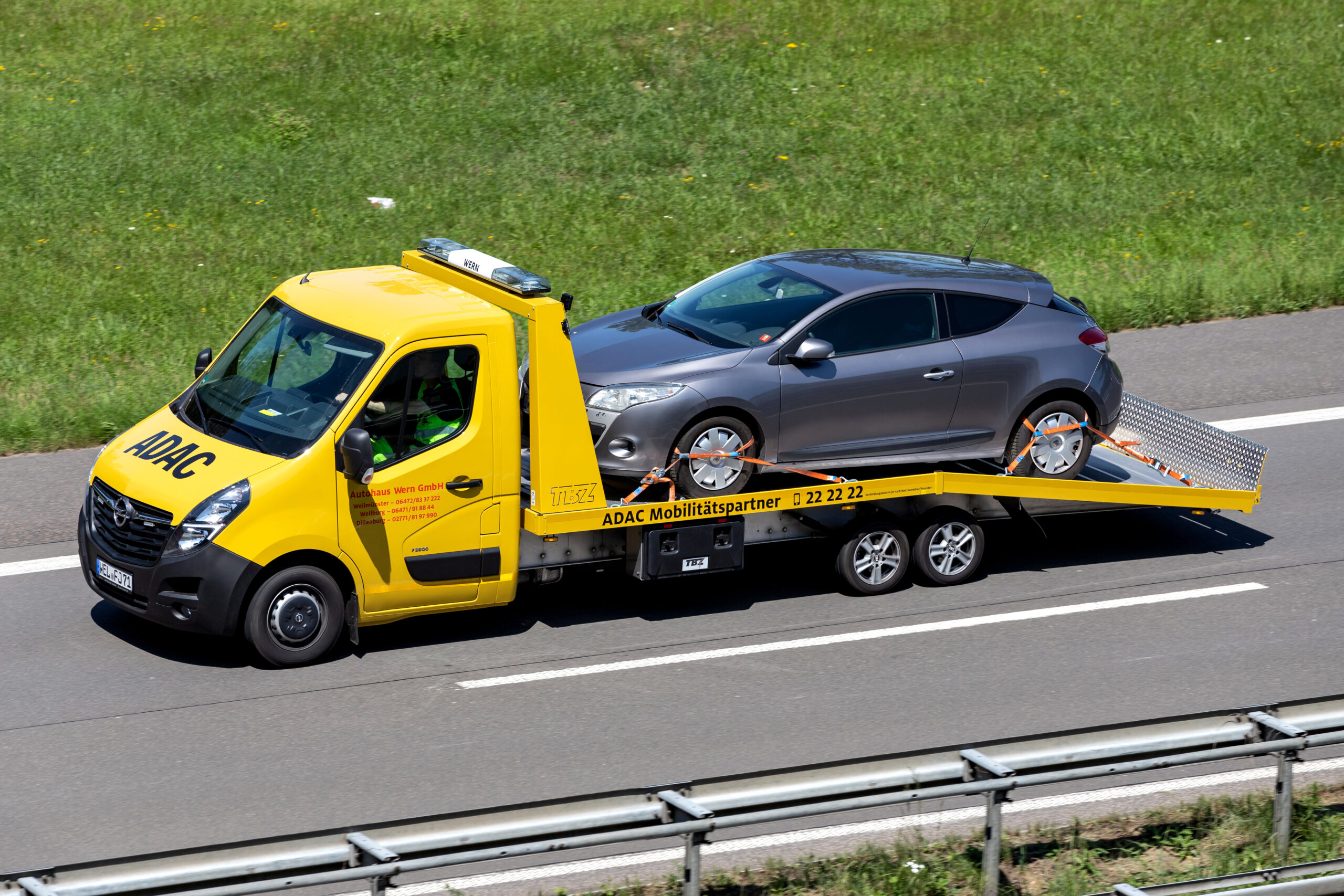
Failing to follow proper load securement practices doesn’t just put your equipment at risk—it also increases the chances of injury, vehicle damage, and costly downtime. That’s why, in this edition of our Winch 101 series, we’re walking you through the correct steps to safely secure your load after winching it onto a carrier deck or trailer.
Step 1: Pull the Load Into Position
Your winch is a workhorse—perfect for getting disabled or immobile vehicles onto your flatbed, carrier deck, or trailer.
Once your vehicle or equipment is aligned and pulled into place, stop and reassess stability. It’s important that the load is level and resting securely before the next step.
Step 2: Use Load Securement Devices, Not the Winch
Here’s where many operators make a common mistake: they rely on the winch to “hold” the load during transit.
This is not what your winch is designed to do.
Instead, use load securement devices—such as:
Ratcheting tie-down straps (auto tie-downs)
Chains with tensioning binders
DOT-compliant wheel nets or axle straps
These tools are purpose-built to handle the shifting and vibrations that occur during road travel. They also distribute the stress across multiple securement points rather than placing it all on the winch drum and cable.
Step 3: Remove Tension from the Winch
Once your load is fully secured with tie-downs or other approved devices, the final step is often the most overlooked: release the winch tension.
Pay out a bit of slack in the winch cable to ensure it is no longer bearing any weight. Leaving the winch cable under load during transit can:
Lead to shock-loading during braking or acceleration
Damage the winch motor or gears
Cause the cable to fray or snap prematurely
Result in costly equipment failure and service downtime
As our Sr. Design Engineer Rob Renfro puts it:
“The load should be fully supported by securement devices during transit—not by the winch.”
🎥 Watch the Video: “How to Properly Secure Your Load”
Want to see it in action?
Watch our short instructional video featuring Rob Renfro as he demonstrates the safe and correct way to secure a winched load:
About Ramsey Winch
For over 75 years, Ramsey Winch has engineered and manufactured industrial-strength winches trusted by fleets around the world. From recovery operations to forestry and oilfield applications, our products are built for performance, safety, and reliability.